

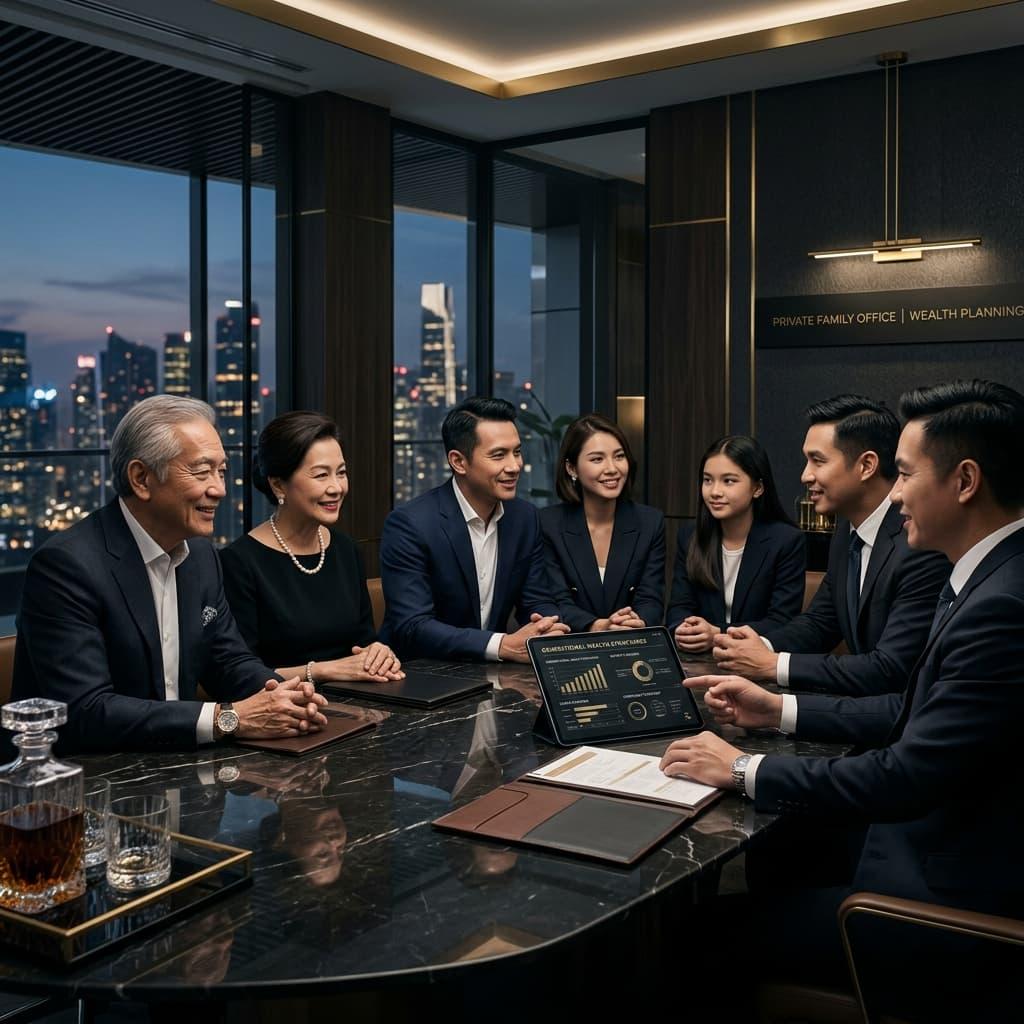
A Hong Kong trust is not only for wealthy families. It can be a structured approach to long-term asset management, family succession and business ownership planning.
What Is a Trust in Hong Kong?
When people hear the word “trust”, they often associate it with wealthy families, family offices or complicated wealth management structures.
In reality, the basic concept of a trust is relatively straightforward.
A trust is a legal arrangement under which a trustee holds, manages and administers assets for the benefit of beneficiaries or for a specified purpose, according to the terms of the trust.
Hong Kong’s trust framework is based largely on common law principles together with relevant legislation, including the Trustee Ordinance (Cap. 29).
Who Are the Main Parties to a Trust?
A typical trust involves three key parties.
1. Settlor
The Settlor is the person who establishes the trust and transfers or settles assets into the trust according to the trust arrangement.
Depending on the circumstances, these assets may include:
- Cash
- Investments
- Shares in private companies
- Property
- Other assets that can legally be placed into a trust
2. Trustee
The Trustee is responsible for administering the trust and managing the trust assets in accordance with the trust deed and applicable law.
Being a trustee involves more than simply holding assets. It can include asset administration, record keeping, compliance and carrying out responsibilities under the trust.
Hong Kong’s regulatory framework for trust business includes principles covering integrity, due skill and care, management of trust assets, internal controls and compliance with applicable laws and regulations.
3. Beneficiary
The Beneficiary is a person or group entitled to benefit from the trust according to its terms.
For example, a business owner may establish a trust under which children become beneficiaries, with distributions made according to predetermined conditions.
Why Consider a Hong Kong Trust?
1. Family Wealth Succession
For families with businesses, investments or significant assets, planning how wealth should be transferred to the next generation can be an important long-term consideration.
A trust can provide a structured framework for determining how and when beneficiaries receive benefits, depending on the terms of the trust.
2. Family Business and Shareholding Planning
For entrepreneurs whose wealth is closely connected to a private company, succession planning can involve much more than simply deciding who inherits the shares.
Business owners may need to consider:
- Who should benefit from the business?
- When should the next generation receive benefits?
- How should different family members be treated?
- How should control of the business continue?
- What happens if the next generation is not yet ready to manage the business?
A trust may form part of a broader family-business succession strategy.
3. Long-Term Asset Management
Trusts can also be used for long-term holding and administration of assets.
The Hong Kong Monetary Authority describes trust business as including activities such as establishing a trust, acting as trustee, managing trust assets, providing trust administration and eventually transferring assets to beneficiaries.
This means a trust is not simply a separate “account” for assets. It is a structured legal and administrative arrangement.
Is a Hong Kong Trust Only for Wealthy People?
Not necessarily.
A trust may involve legal documentation, professional fees and ongoing administration, so it is certainly not necessary for everyone.
The more important question is:
Does a trust make sense for your particular assets, family and business circumstances?
For example, an entrepreneur may have a structure such as:
Hong Kong Company → Company Shares → Investments → Family Wealth
As the ownership and family structure becomes more complex, a properly designed succession structure may become increasingly relevant.
Does a Trust Mean Tax Avoidance or Complete Confidentiality?
This is one of the most common misconceptions.
A trust does not automatically mean tax avoidance, nor does it mean that information can simply remain undisclosed.
Hong Kong participates in international tax transparency frameworks, including the Automatic Exchange of Financial Account Information (AEOI/CRS). The Inland Revenue Department has also clarified requirements concerning controlling persons in relation to trusts.
Therefore, trust planning should always be based on:
Legality, transparency and compliance.
It should not be used as a mechanism to conceal assets or evade tax obligations.
What Should You Consider Before Setting Up a Trust?
Before establishing a trust, consider:
1. What is the purpose?
For example:
- Family succession
- Business ownership planning
- Long-term asset management
- Family protection
- Cross-border wealth planning
2. Which assets are involved?
Different types of assets may have different legal, tax and administrative considerations.
3. Who are the beneficiaries?
The intended beneficiaries should be clearly considered as part of the overall planning process.
4. Who will act as trustee?
The choice of trustee is important because the trustee has responsibilities under the trust deed and applicable law.
5. Are there cross-border elements?
If the settlor, beneficiaries or assets are located in different jurisdictions, additional legal, tax and reporting considerations may apply.
The Real Value of a Trust Is Planning Ahead
Many people only start thinking about succession when a family event, business transition or asset issue has already occurred.
Effective planning usually starts before a problem arises.
The value of a trust is not simply putting assets into a trust.
It is about:
Creating a clear, structured and sustainable framework for managing assets and planning for the future.
How Can Global Core Help?
Global Core Limited is a licensed Trust or Company Service Provider (TCSP) in Hong Kong, providing corporate registration, company secretarial, compliance and related business support services.
For clients considering establishing a business structure in Hong Kong or exploring trust and corporate structures, Global Core can help clients understand the relevant corporate and compliance considerations and identify when specialist professional advice may be required.
Trust arrangements can involve legal, tax and wealth-planning considerations. Specific structures should be reviewed with appropriately qualified legal, tax and other professional advisers.
Want to understand whether a Hong Kong trust may be suitable for your situation?
Contact Our Experts Today via general@globalcoreltd.com or WhatsApp : +852-3704 7944